Thistledown ValeIndependent Cornwall field guide
Industrial landscape field notes

Engine houses belong to a working story.

The Cornwall and West Devon Mining Landscape was inscribed as a UNESCO World Heritage Site in 2006, recognising ten separate areas across Cornwall and west Devon — including St Just, where the two sites in this guide stand — that together tell the story of Cornish deep-mining innovation. Between the 18th and 19th centuries, this small corner of England produced roughly two-thirds of the world's copper, and the pumping and winding technology developed here spread to mining districts across the globe. What survives today is not a single monument but a scattered industrial landscape of engine houses, shafts, spoil and coastal infrastructure.

Two coastal places to begin

Levant and Botallack are the two most accessible starting points on this stretch of coast, but they reward a slower landscape visit more than a tick-box stop. Both sit on active coast path routes, both include genuinely hazardous ground beyond the managed visitor areas, and both are best understood alongside the wider mining district around St Just rather than in isolation.

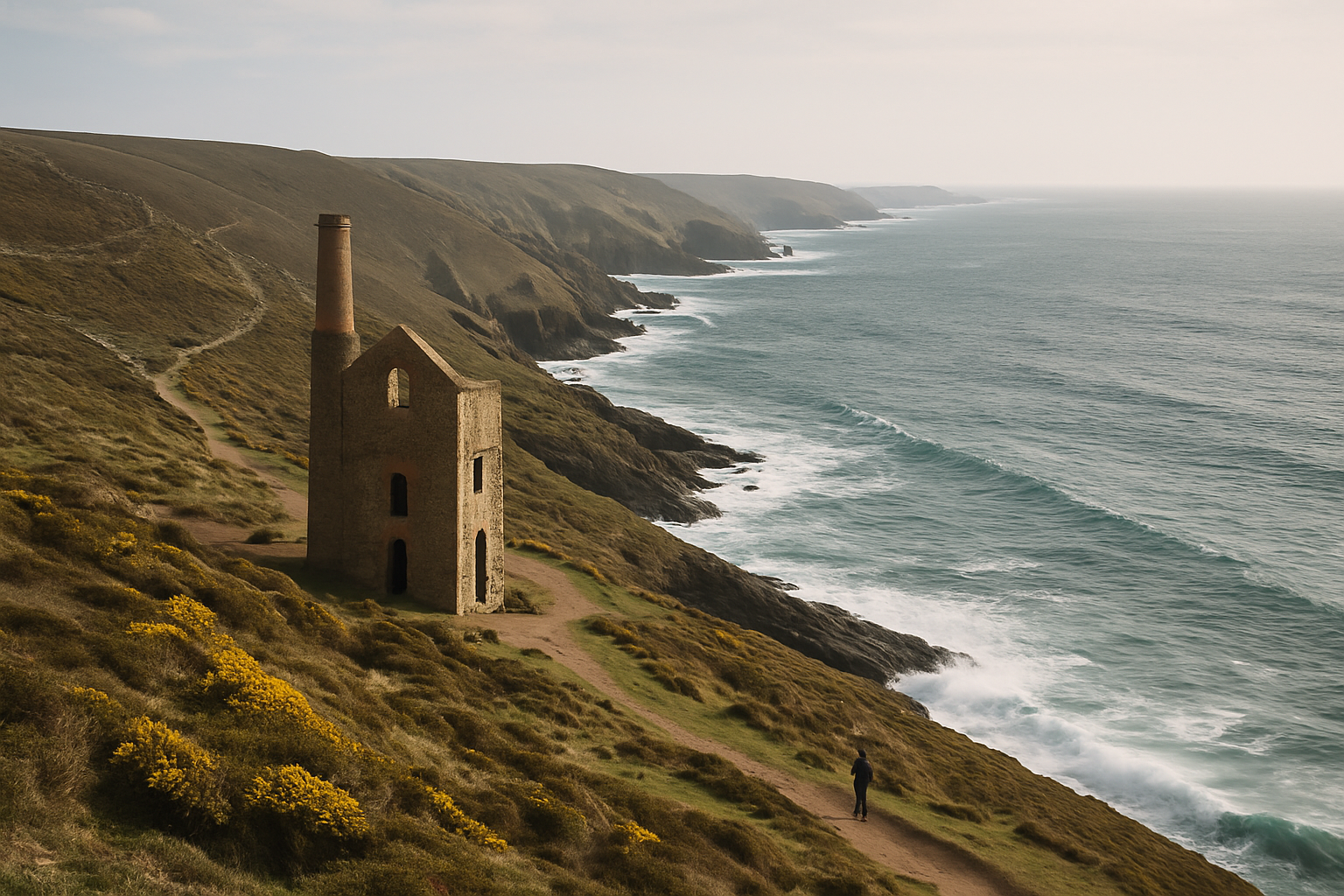
Levant Mine's engine house on the cliffs above the Atlantic, part of the National Trust site
Levant Mine and Beam Engine, managed by the National Trust

Levant Mine and Beam Engine

Levant holds the world's oldest Cornish beam engine still working in its original engine house, restored to steam by volunteers after decades of preservation effort. The site is managed by the National Trust with set opening times and, on steaming days, a small additional charge — check current hours and steaming dates before visiting, since the engine is not run every day.

Read the Levant field sheet
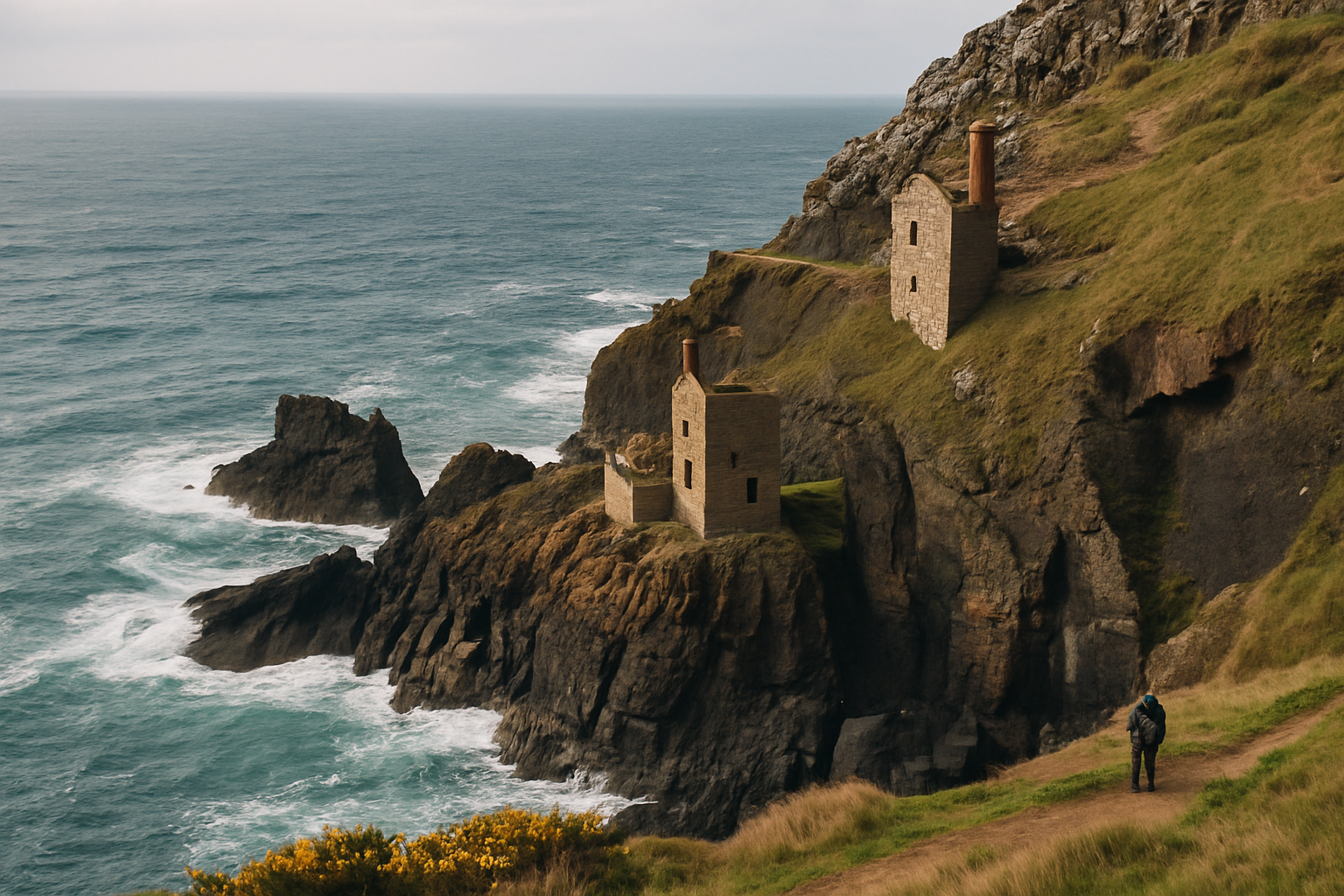
The Crowns engine houses at Botallack perched below the cliff top
The Crowns engine houses at Botallack, from a safe upper viewpoint

Botallack and the Crowns

The Crowns' two engine houses, built in the 1830s and 1860s, sit dramatically on rocks just below the cliff edge, once pumping and winding a mine whose undersea workings reached over a third of a mile beneath the seabed. The National Trust manages public access on well-defined paths; the dramatic lower viewpoints are reached via maintained but exposed steps.

Read the Botallack field sheet

A landscape made in layers

Extraction

Cornwall's granite carries rich tin and copper lodes, and by the 19th century deep shafts here reached hundreds of metres down and, at Botallack, over half a mile out beneath the sea floor — engineering that pushed underground mining technology to its limits for the period.

Steam and scale

Cornish beam engines, developed and refined in this district, pumped water from flooding shafts and wound men and ore to the surface. The design proved so effective that Cornish engineers and their engines were exported to mining districts worldwide during the 19th century.

After closure

Most Cornish mines closed as tin prices collapsed through the 20th century, leaving engine houses to decay until conservation bodies, including the National Trust and local preservation societies, stepped in to stabilise and interpret them — work that continues today alongside real ongoing safety risk.

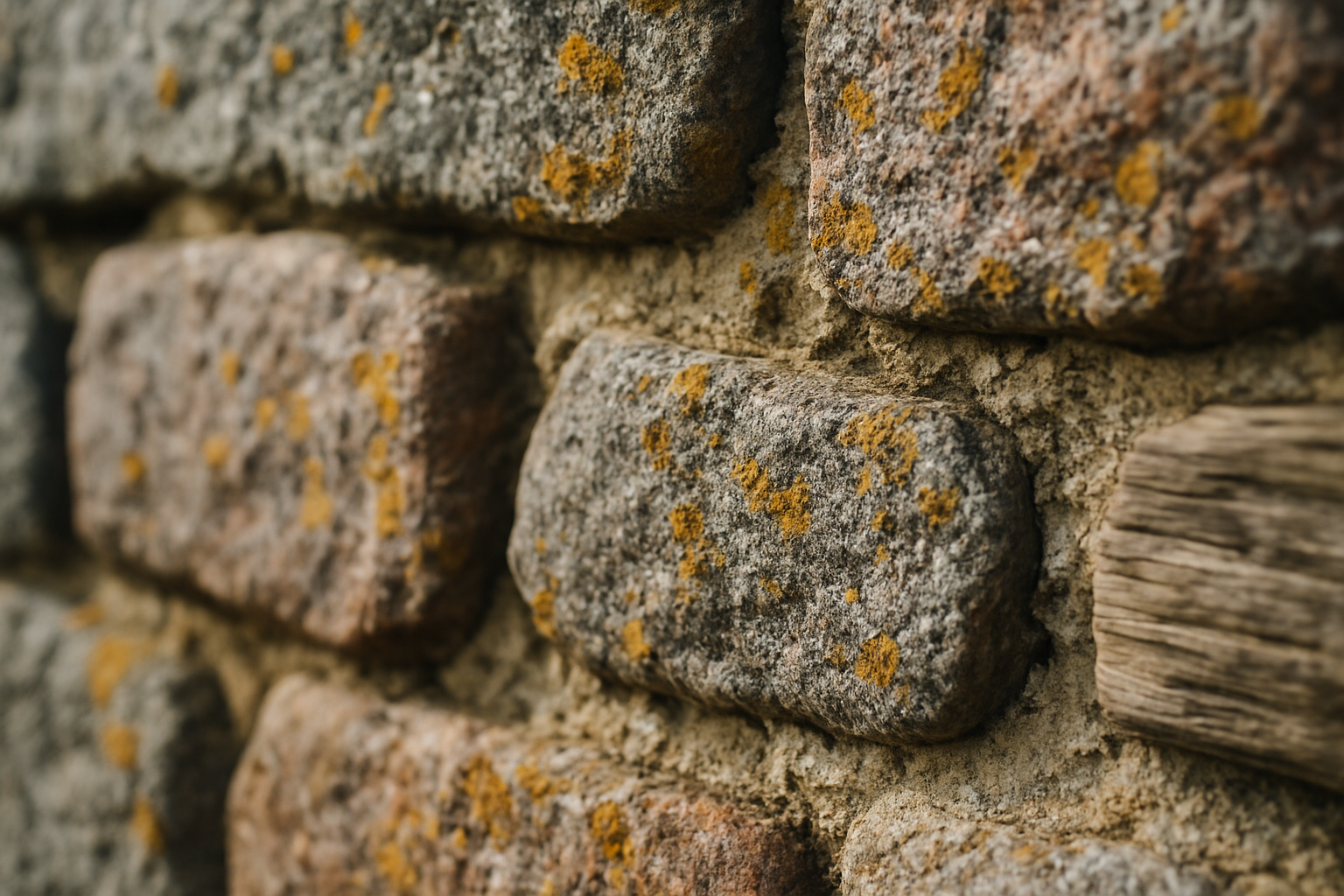
Close detail of weathered granite masonry on a Cornish mine engine house
Granite masonry detail on a managed engine house
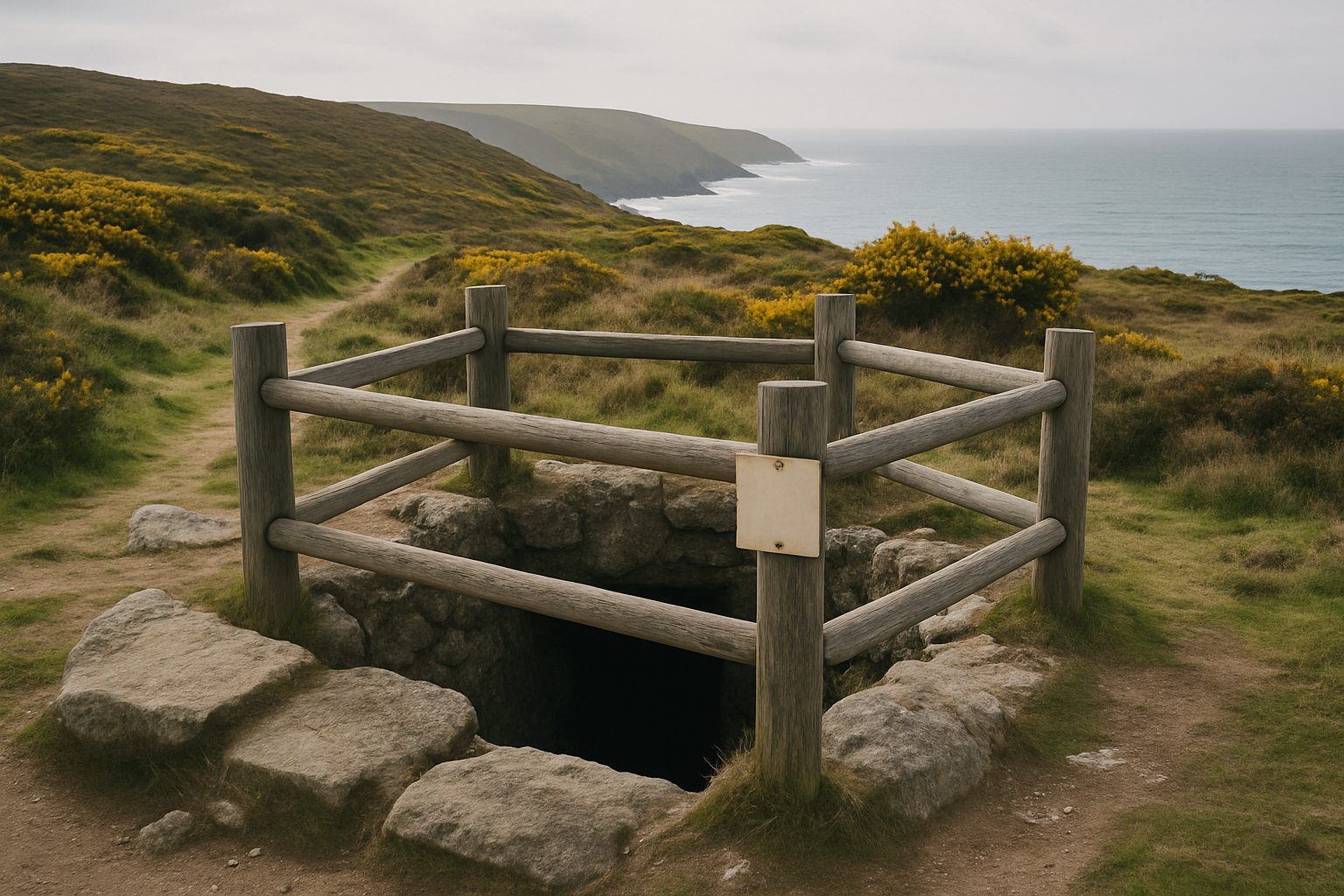
A fenced-off mine shaft with a warning sign at a Cornish heritage site
A fenced shaft — a reminder that these are working hazards, not scenery

Visit without taking risks

Stay on public paths and marked visitor routes at every mining site in this guide. Never cross a fence or barrier around a shaft, adit or unstable structure, however tempting the photograph — the ground around old workings can be undermined in ways that aren't visible from the surface. Keep dogs on a lead, avoid touching or climbing on masonry, and don't remove stone or artefacts, which are protected as part of the World Heritage designation. If you're unsure whether an area is open to the public, check with the managing body — usually the National Trust locally — rather than assuming access.

Abandoned mine shafts, unstable engine houses and unfenced cliffs in this landscape have killed people. Never enter a fenced area, never approach a shaft, and never climb on ruined structures.