Levant Mine and Beam Engine
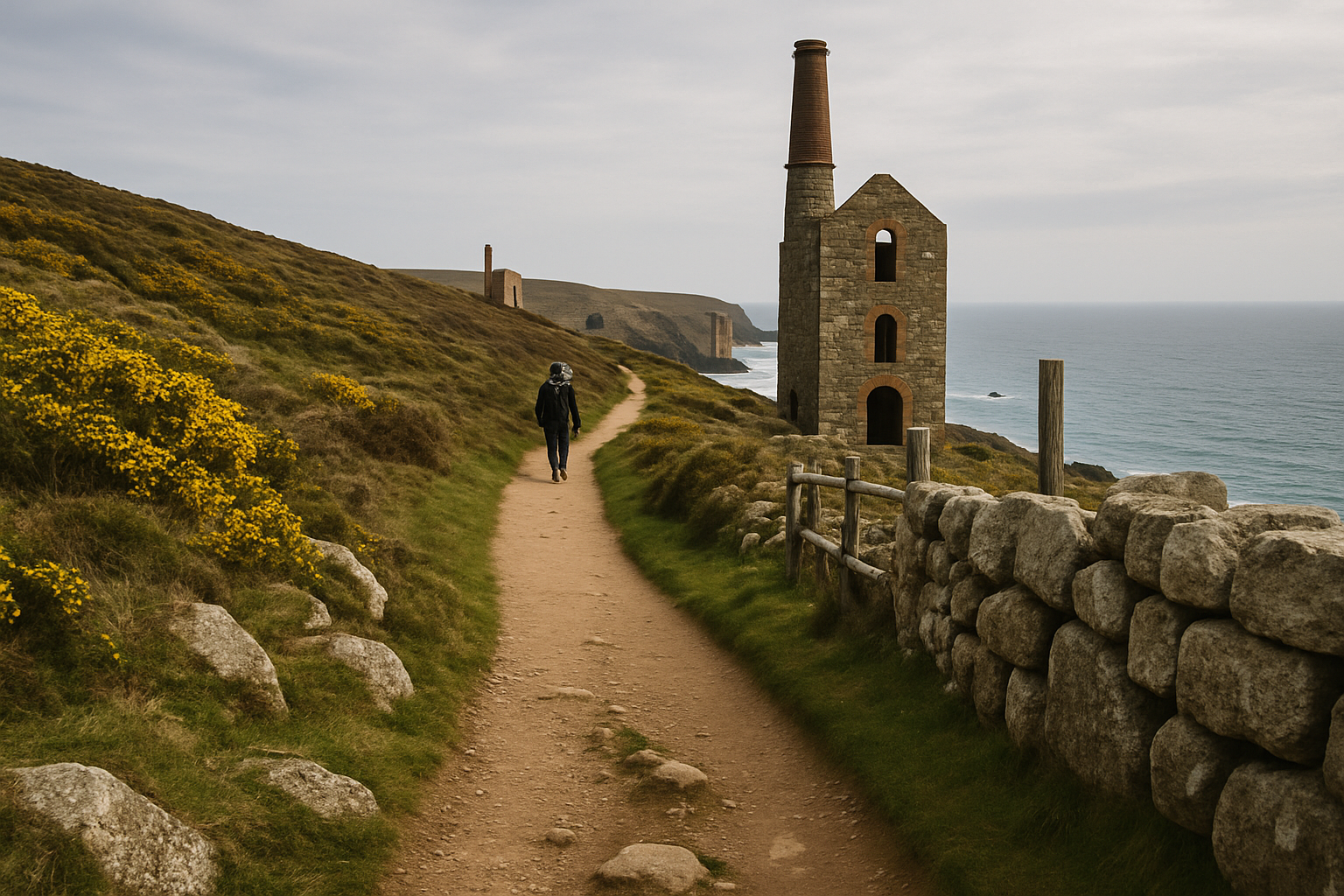
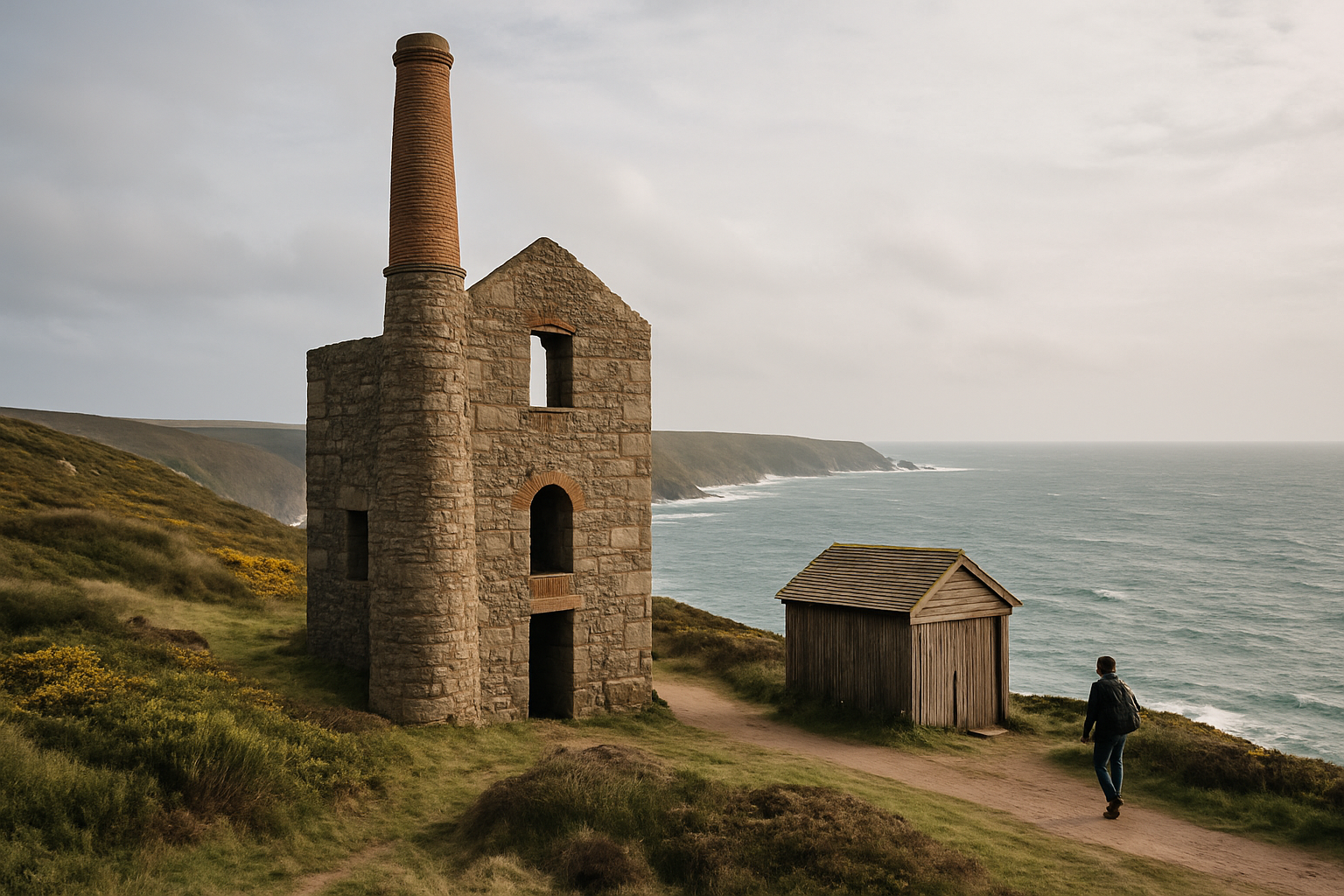
Levant sits on the cliffs at Trewellard, near Pendeen, on the stretch of coast known locally as the Tin Coast — part of the wider Cornwall and West Devon Mining Landscape UNESCO World Heritage Site. Mining here dates back at least to the mid-18th century, when Levant first appeared on Martyn's 1748 map of Cornwall, and the site is best known today for holding the world's oldest Cornish beam engine still turning in its original engine house.
What survives here
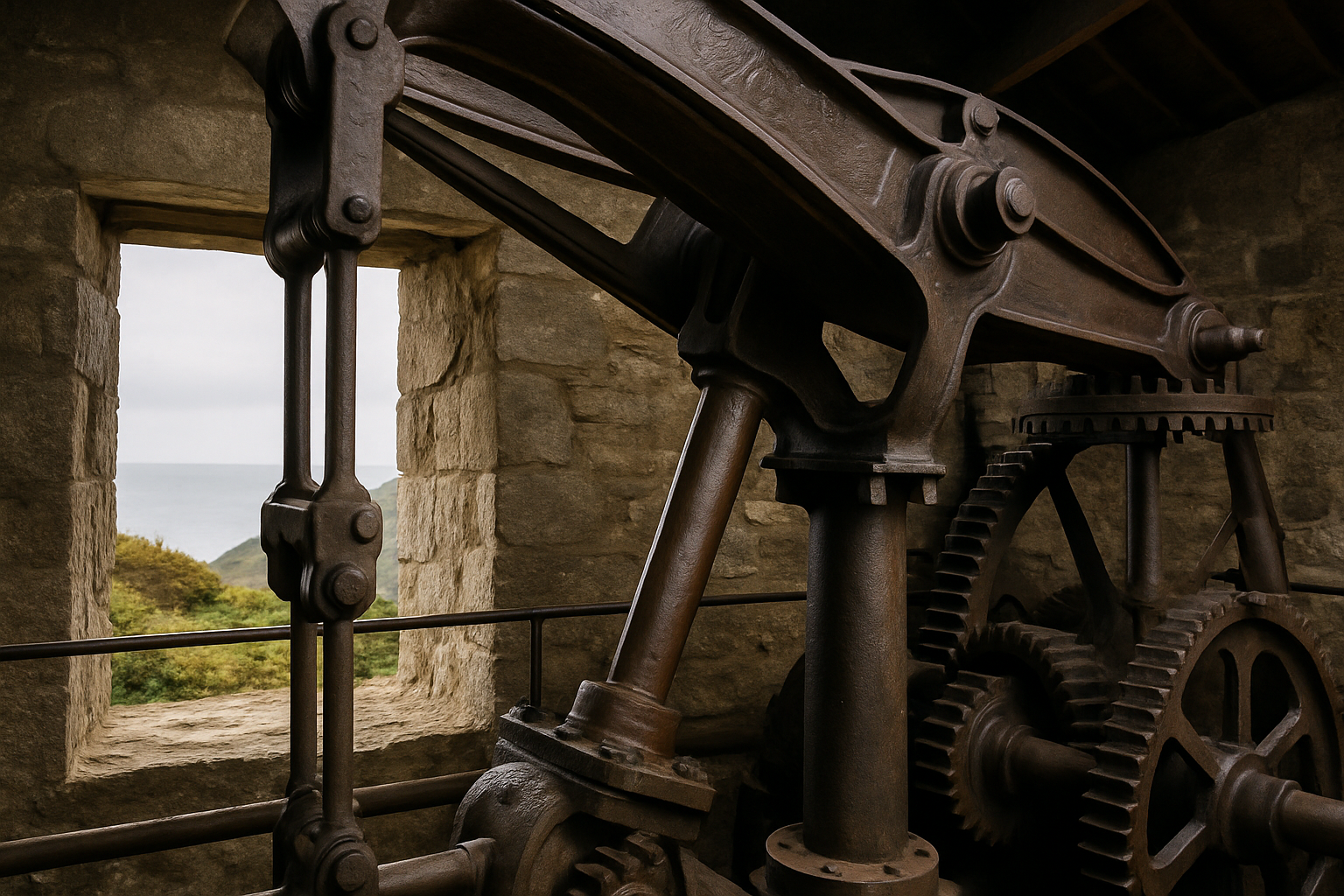
The National Trust manages Levant as a working heritage site rather than a static ruin. Its centrepiece is the 1840 beam engine, preserved in its original engine house after the mine itself closed in the 1930s — the Cornish Engines Preservation Committee secured the engine's survival in 1935, and the National Trust took on the site in 1967. Volunteers known as the "Greasy Gang" spent years restoring the machinery, and in 1992 the beam engine ran under steam again for the first time since closure. The site also carries a solemn history: in 1919, the man engine used to carry miners underground failed catastrophically, killing 31 men in the second-worst mining disaster in Cornish history — a reminder that these engine houses represent real working lives, not just industrial architecture.
- Site type
- National Trust heritage site with working beam engine
- Access
- Seasonal opening hours; verify current dates and steaming days
- Time
- Allow 1.5–2.5 hours
Reading the machinery
A beam engine works using a large pivoting beam, rocked back and forth by a steam-driven piston at one end, with the other end connected to pumping or winding gear. At Levant, this design was used both to pump floodwater out of the mine's deep shafts and, via a separate "man engine," to move miners up and down through the workings using a system of moving rods and platforms — the same system that failed fatally in 1919. Seeing the engine in steam gives a genuine sense of the scale and noise involved, something photographs of the static structure alone can't convey. The engineering itself was distinctively Cornish, and versions of it were exported to mining districts around the world during the 19th century.
Plan the visit
Levant is a National Trust property with seasonal opening hours that vary through the year — check the current calendar before travelling, particularly if you want to see the engine running under steam, which happens on specific advertised days rather than every opening day. The site sits directly on the coast path between Pendeen and Botallack, so it's easy to combine with a longer walk, though the approach involves genuine cliff-top terrain. There is a small car park nearby, and basic visitor facilities on-site; the surrounding coast path is exposed to weather, so dress for wind and rain regardless of season.