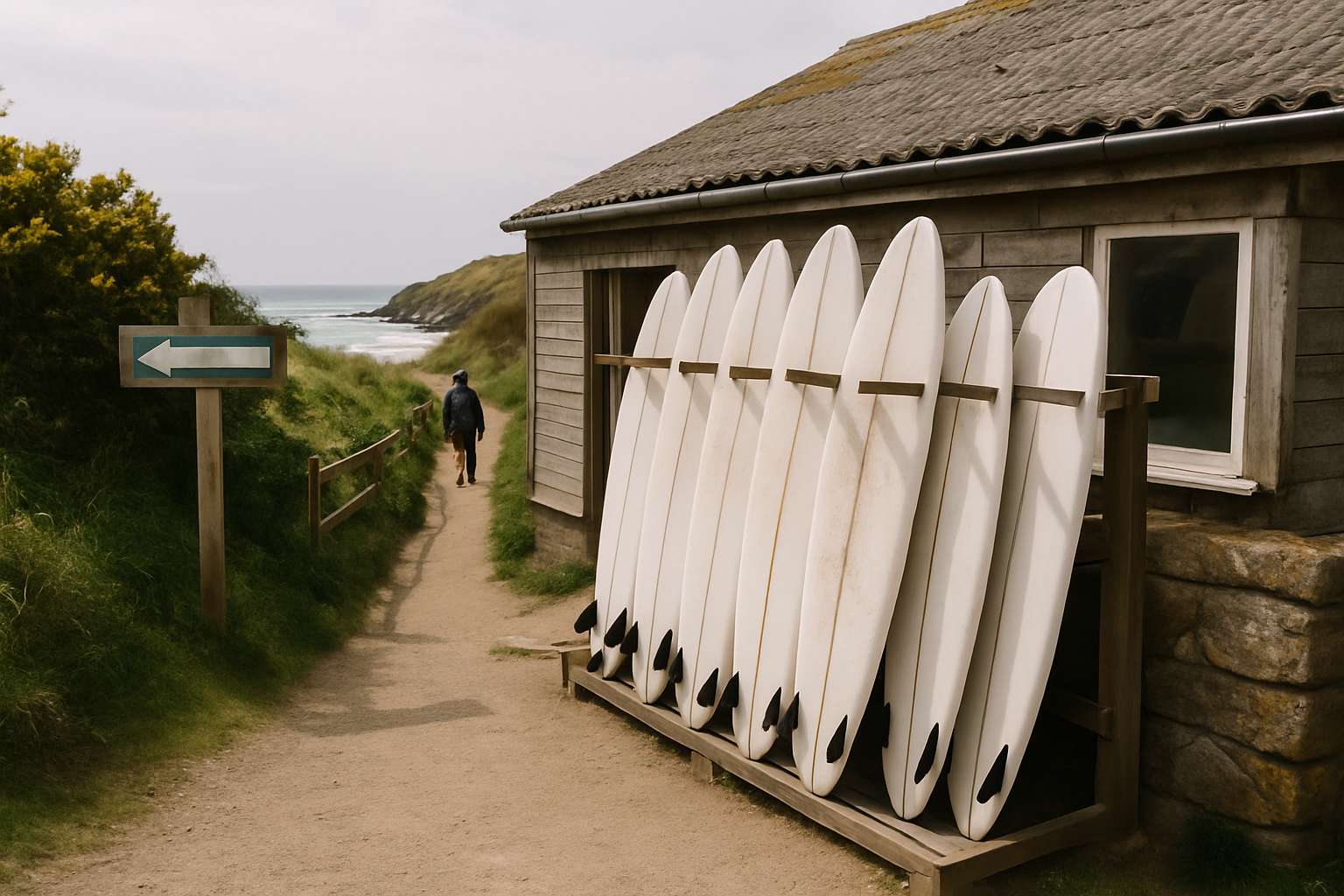
Surf towns are more than a swell forecast.
Newquay and St Ives sit on the same stretch of north Cornish coast but feel like different worlds: one built around a wide, exposed beach and a decades-old competitive surf scene, the other a compact harbour town where a smaller beach shares space with galleries, narrow streets and a working fishing fleet. Both have real surf culture, but the access, transport and everyday rhythm of each town differ enough to shape which one suits your day.
Newquay and Fistral Beach
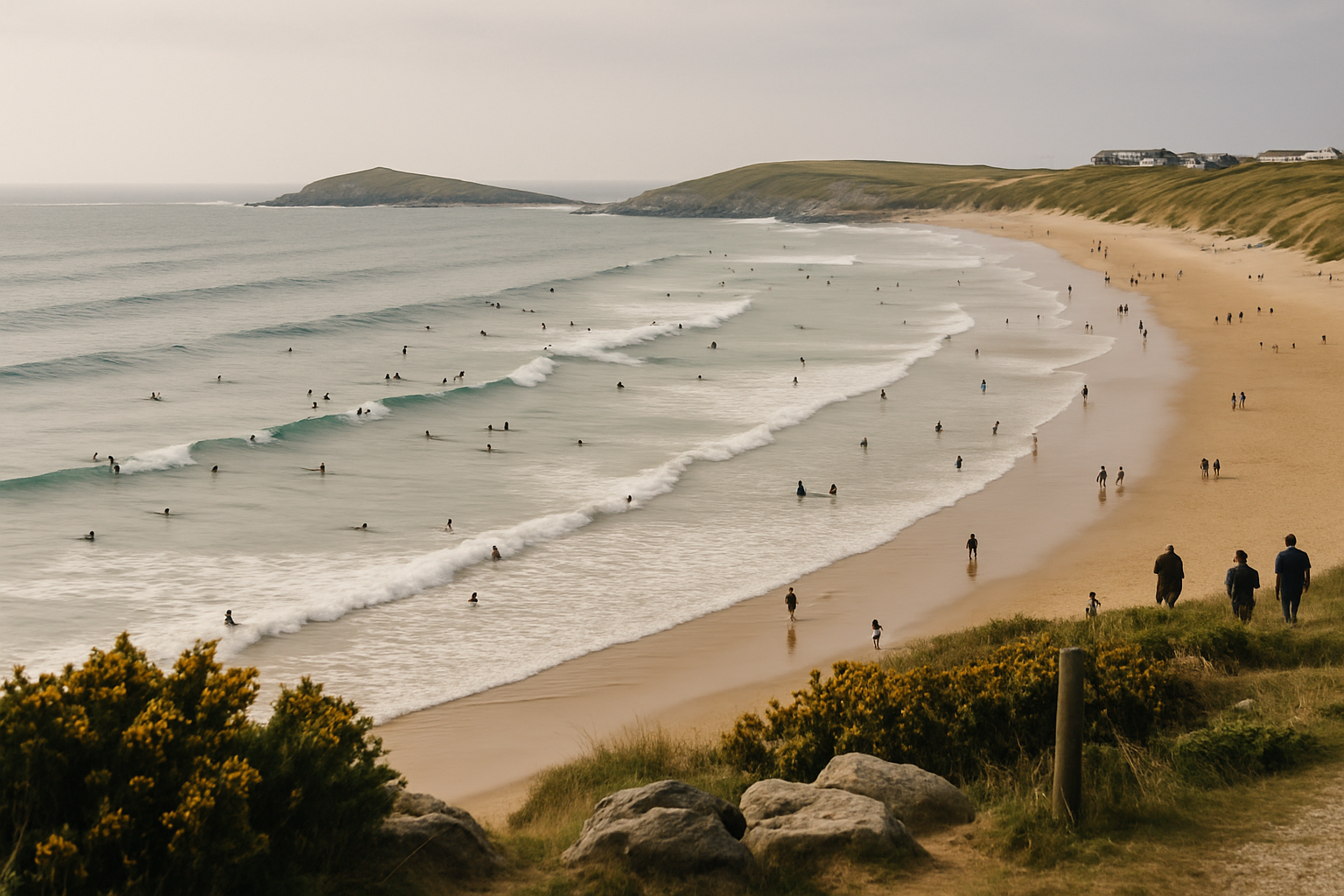
Fistral Beach has been the centre of British surfing since the early 1960s, when the first surf clubs formed around its consistent Atlantic swell; the British Surfing Association was founded here in 1966, and the beach still hosts national and international competitions. It's a wide, exposed beach with room for beginners' lessons at one end and experienced surfers further out, including the Cribbar reef break at its northern point, a serious big-wave spot in the right conditions. Newquay town itself sits a short walk from the beach, with full visitor services, though parking near Fistral fills early on good surf days. Away from the water, the town has a working harbour, coastal walks and a settled surf-shop culture built up over sixty years.
St Ives
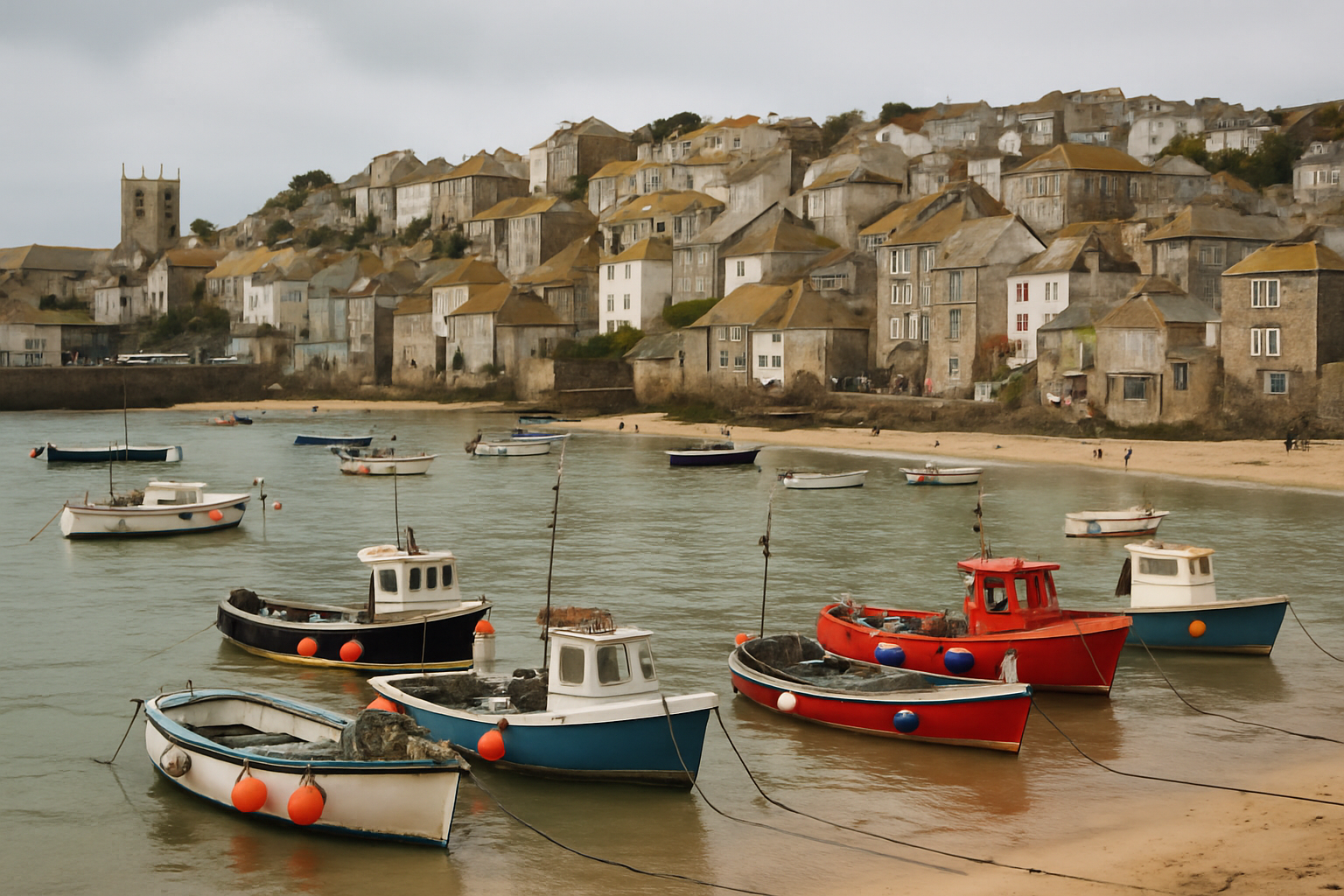
St Ives works on a smaller scale than Newquay: several distinct beaches within walking distance of each other, a harbour still used by working boats, and an art-town identity anchored by Tate St Ives and the artists' studios that have gathered here since the early 20th century. Porthmeor Beach, right beneath the Tate, is the town's main surf beach — a consistent, exposed break popular with beginners and improvers through the town's surf school, and with more experienced surfers on bigger swells. St Ives has a mainline branch railway station, which makes it easy to reach without a car, but its narrow streets and limited parking mean the town gets genuinely crowded in peak summer weeks. Surfing here shares billing with the galleries, harbour and coastal walks rather than dominating the town's identity the way it does in Newquay.
Choose by the whole day
Neither town is objectively "better" for a surf day — the right choice depends on your skill level, whether you want a lifeguarded beginner-friendly session or a bigger-wave experience, how you're travelling, and what non-surfing company in your group might want to do instead.
| Question | Newquay / Fistral | St Ives |
|---|---|---|
| Getting there | Newquay has its own rail branch line and bus links; Fistral Beach is a walkable 15–20 minutes from the town centre. | St Ives has a scenic branch line from St Erth and frequent local buses; Porthmeor Beach is a short walk from the station. |
| Surf support | Multiple established surf schools and board-hire shops operate around Fistral, geared toward everything from first lessons to advanced coaching. | St Ives Surf School and other operators run lessons directly from Porthmeor Beach, alongside board and wetsuit hire. |
| Non-surf day | Coastal walks, a working harbour, and a lively town centre with typical seaside-resort amenities. | Tate St Ives, artists' studios and galleries, a historic harbour, and several more sheltered beaches for swimming. |